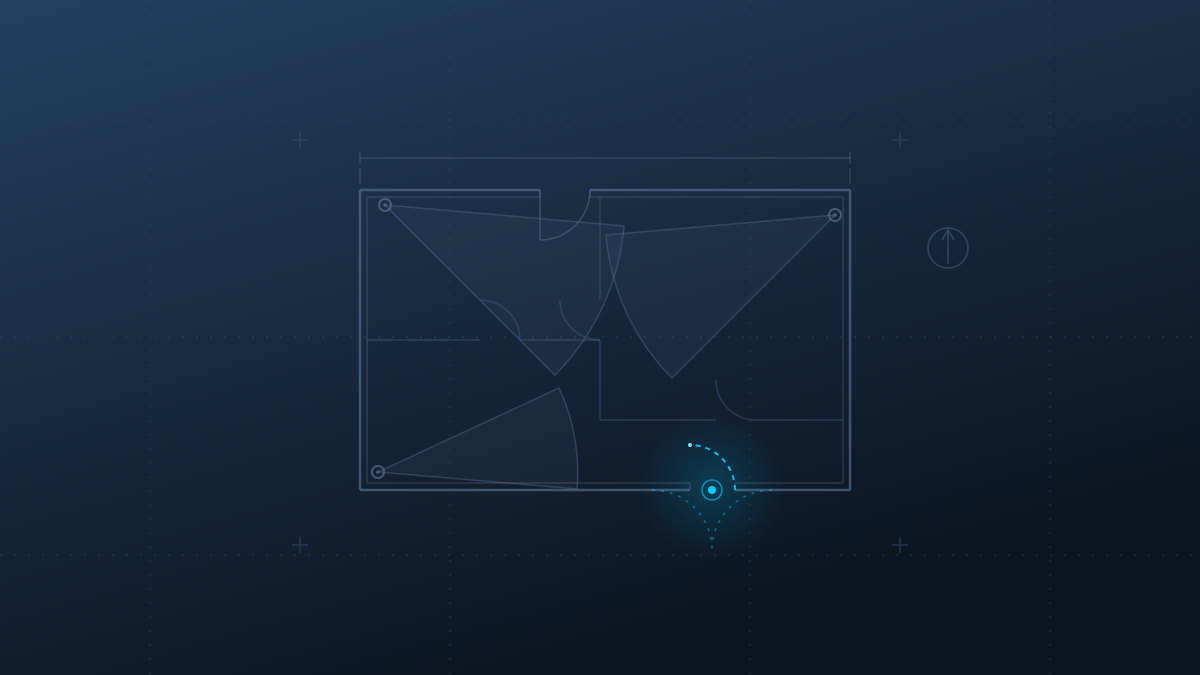
Cameras, alarm systems, dogs, and guards are all good tools. We recommend them regularly. But we also see the same pattern at homes and businesses across Florida: good tools, bought separately, quietly failing to add up to protection.
Tools fail in isolation
A camera that nobody monitors records a crime; it does not prevent one. An alarm that the family disarms out of habit protects nothing. A guard posted at the front entrance is worth little if deliveries come through an unwatched back door. A strong front door matters less than the rear slider that never latches properly.
None of these are product failures. Each tool is doing exactly what it was bought to do. The failure is in the gaps between them: the places where no one asked how the pieces work together, or whether they cover the ways someone would actually approach your property.
What an assessment actually checks
A risk assessment starts from the other direction. Instead of asking “what should we buy?”, it asks “how would someone get in, and what would happen next?”
In practice, that means a walk-through of your home or business, inside and out, looking at:
- Approaches and entry points: not just doors, but windows, garages, loading areas, landscaping that provides cover, and lighting that does not reach.
- What your existing equipment really covers: camera angles, alarm zones, sensor placement, and the blind spots between them.
- Habits and routines: who has keys and codes, when the alarm is actually armed, how visitors and deliveries are handled, what happens when someone is home alone.
- What happens after detection: an alert only matters if someone receives it and knows what to do next.
The output is written findings, ranked by what matters most, with recommendations you can act on. Sometimes the recommendation is new equipment. Just as often it is repositioning what you already own, fixing a latch, changing a routine, or removing a hiding spot. Those changes cost little or nothing.
Why ranking matters
Security budgets are finite, and vendors are happy to spend yours. A ranked assessment protects you from buying the impressive thing instead of the important thing. If the biggest risk at your business is an unlocked side entrance that staff prop open for smoke breaks, a second camera at the front counter is not the next dollar to spend.
When to get one
Ideally before you buy equipment, since the assessment tells you what is worth buying. But an assessment of an existing setup is just as valuable, and it is the fastest way to find out whether the system you already paid for is doing its job.
If you would like an honest read on your home or business, request an assessment. We will tell you what we find in plain language, including the things that are already working.